Zoho Manufacturing Production Scheduling
How Object Velocity and Modern ERP Architecture Can Double Your Factory Output
Manufacturing Systems Consultant
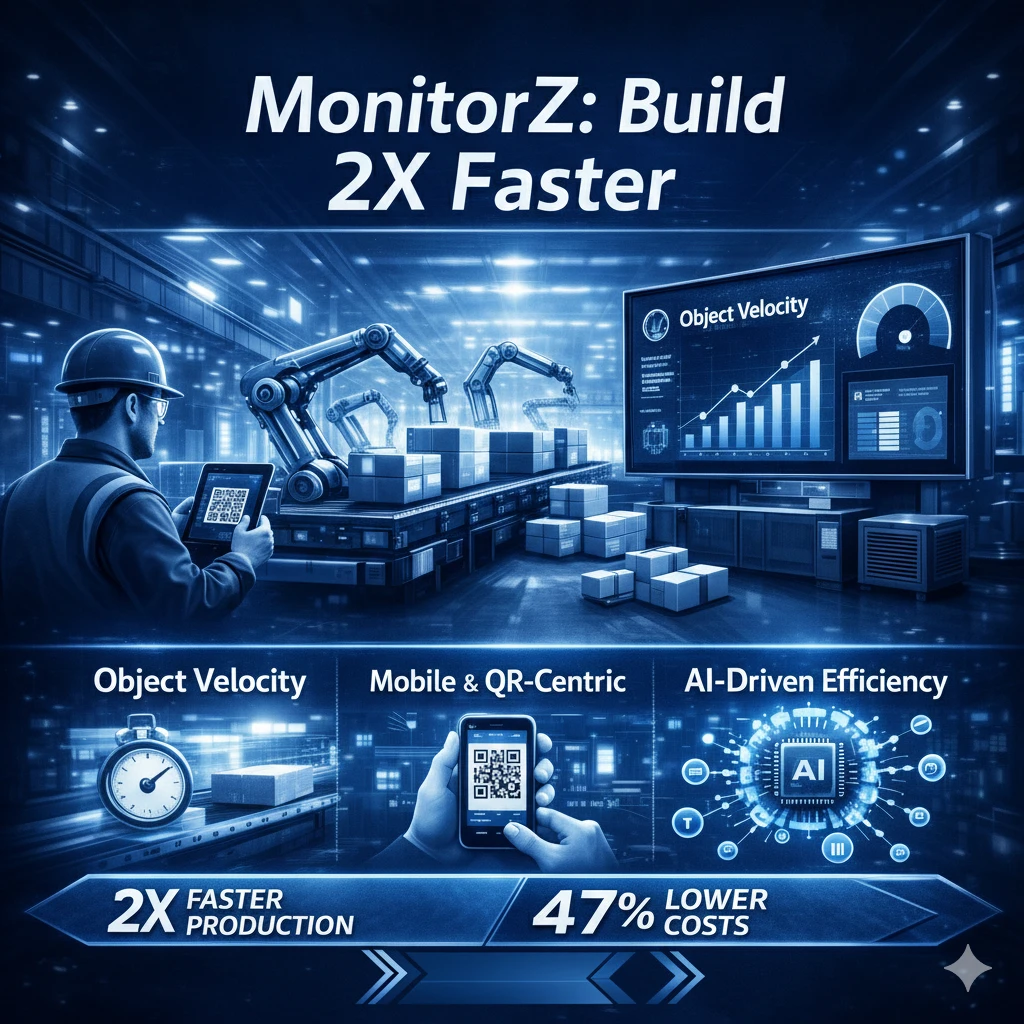
In the modern manufacturing landscape, the gap between a digital production schedule and the physical reality of the shop floor is often a chasm filled with delays, excess inventory, and clerical errors. Many organizations attempt to manage complex operations using legacy ERP systems or basic scheduling tools that act like static paper maps-requiring manual updates that are obsolete the moment they are printed. The question for high-growth manufacturers is no longer just how to schedule, but how to move materials through the facility with enough speed to meet surging market demands.
To achieve true operational excellence, manufacturers must move beyond simple clerical tracking and embrace a system that prioritizes Object Velocity. This shift in perspective allows leadership to see exactly how fast inventory moves from receiving to shipping, identifying bottlenecks in real-time. This post will explore how to revolutionize Zoho manufacturing production scheduling by integrating the foundational principles of MonitorZ, ensuring your digital planning always aligns with the physical movement of goods.
The Core of Scheduling: Physical Reality vs. Digital Planning
Effective production scheduling requires a clear distinction between what exists and what is required. In traditional systems, these categories often blur, leading to "phantom inventory" and missed deadlines. To solve this, we categorize the manufacturing world into two distinct entities:
- Inventory Objects (OB): These represent the physical reality of your shop floor. Every raw material, sub-assembly, and finished good is an OB, assigned a unique "birth certificate" via a serial number and QR code.
- Planned Objects (PLOB): These are digital placeholders. They represent the future image of inventory that must exist to satisfy a Sales Order or forecast.
By using a Bill of Materials Flow Router (BFR), manufacturers can generate a precise schedule of PLOBs. This ensures that the right part is at the right place at the right time, effectively acting as a GPS for your factory. When a physical OB is scanned, it populates the PLOB, closing the loop between the plan and the reality instantly.
Physical Reality: Understanding Inventory Objects (OB) and Planned Objects (PLOB)
MonitorZ distinguishes between two key concepts:
- Inventory Objects (OB): These are the actual physical items in your manufacturing process, each assigned a unique serial number and QR code.
- Planned Objects (PLOB): These represent future inventory requirements based on sales orders or forecasts and are digitally tracked to ensure timely fulfillment.
Additionally, the system employs the Bill of Materials Flow Router (BFR) to generate a schedule of PLOBs, ensuring that the right part is at the right place at the right time. By effectively managing both OBs and PLOBs, manufacturers can maintain optimal inventory levels and ensure that the right parts are always available when needed.
Increasing Throughput via Object Velocity
Identifying the Atomic Level of Inventory
The secret to doubling production output lies in Object Velocity-the measurement of speed and elapsed time of objects as they flow through your work centers. Instead of focusing on labor hours alone, MonitorZ encourages manufacturers to model operational data at the "atomic level." When you track the velocity of an object, you aren't just looking at a completed task; you are seeing the heartbeat of your business.
Eliminating the Theory of Constraints
Drawing on the wisdom of Eli Goldratt, effective scheduling identifies the single bottleneck that limits your total output. By measuring the time an Inventory Object sits idle versus the time it is in motion, you can apply Theory of Constraints (TOC) principles to maximize the flow. Accelerating this velocity allows manufacturers to reduce operational expenses while simultaneously increasing throughput, often achieving a 130% production increase within a 120-day timeframe.
Mobile-First Data Collection and QR-Centricity
A production schedule is only as good as the data feeding it. If your shop floor relies on paper travelers that an office clerk enters into a computer at the end of the shift, your data is already dead. Modern manufacturing demands mobile-first data collection. By empowering factory workers with simple mobile devices, you capture data at the source—the work center.
- Zero-Training Transactions: Factory workers can be trained in less than five minutes to scan QR codes, ensuring the digital system reflects physical reality.
- Elimination of Clerical Overhead: When data is captured via scanning, the need for manual data entry is eradicated, reducing errors and overhead costs.
- Real-Time Feedback: Managers can see the status of any Inventory Object (OB) the moment it moves, allowing for dynamic rescheduling if a machine goes down.
Automotive-Grade Precision with ILPS
For manufacturers dealing with high-volume, high-mix environments—such as those in the automotive, FDA, or GMP regulated spaces—standard scheduling isn't enough. You need In-Line Production Sequencing (ILPS). Derived from the Ford In-Line Vehicle Sequencing (ILVS) system, ILPS ensures absolute accuracy for complex, unique serialized products.
This methodology ensures that every component is synchronized. If you are building a custom medical device or a specialized vehicle, ILPS tracks the specific sequence of Inventory Objects to prevent assembly errors. This level of precision, integrated into the MonitorZ platform, allows for a level of quality control that was previously only available to global automotive giants.
Leveraging AI to Simplify Complex Scheduling
From Prediction to Sentiment
Artificial Intelligence should not make manufacturing more complex; it should make it simpler. By utilizing specific AI technologies, manufacturers can automate the most tedious parts of production scheduling. For instance, Prediction AI can analyze historical Object Velocity to provide more accurate lead times and forecasting.
Document Automation and Object Classification
Using OCR (Optical Character Recognition) and Keyword Extraction, the system can automatically read scanned supplier documents and attach them to the relevant Inventory Objects. This removes the manual burden of attaching certs or packing slips. Additionally, Object Detection helps classify physical inventory visually, ensuring that the physical item in the bin matches the digital record in the system without human intervention.
Conclusion: Build 2X Faster
The ultimate goal of refining your Zoho manufacturing production scheduling is simple: to Build 2X Faster. By shifting your focus from clerical tracking to Object Velocity and embracing a system designed for physical reality, you can transform your factory from a black box into a transparent, high-speed engine of growth. Leveraging the philosophies of giants like Henry Ford and Taiichi Ohno, combined with modern AI, allows you to reduce direct costs by nearly half while doubling your output.
Are you ready to retire your obsolete legacy processes and experience the power of a reinvented ERP? Would you like me to help you draft a transition plan to move from manual scheduling to an Object Velocity-based model?
```Tags
Manufacturing Systems Consultant
Dave Medinis has spent 20 years engineering and implementing management and production control systems from small job shops to Fortune 500 and earned a Ford Preferred Supplier Award.
Ready to Transform Your Manufacturing?
See how MonitorZ can help your business streamline operations, reduce costs, and accelerate growth with seamless Zoho integration.